DMIT: Understand your child, with honest information
A plain-language guide to the Dermatoglyphics Multiple Intelligence Test: how it works, what a session involves, and how to use it responsibly.
What is DMIT?
DMIT stands for Dermatoglyphics Multiple Intelligence Test. It is an assessment approach that studies fingerprint patterns and presents them as a way to explore a child's interests, learning preferences and strengths.
It brings together three ideas:
- Dermatoglyphics: the study of the ridge patterns on fingertips, palms and soles
- Multiple Intelligence Theory: psychologist Howard Gardner’s idea that people have different kinds of abilities
- Brain development: how the brain grows and shapes learning, memory, emotions and behaviour
An honest note, up front. Dermatoglyphics is an established science. But the claim that fingerprints can measure intelligence, personality or career aptitude has not been scientifically validated. The Indian Psychiatric Society said so in a position statement on 25 September 2019.
At Akshay Vyavahare, a DMIT report is treated as a starting point for a conversation, never as a verdict on your child.
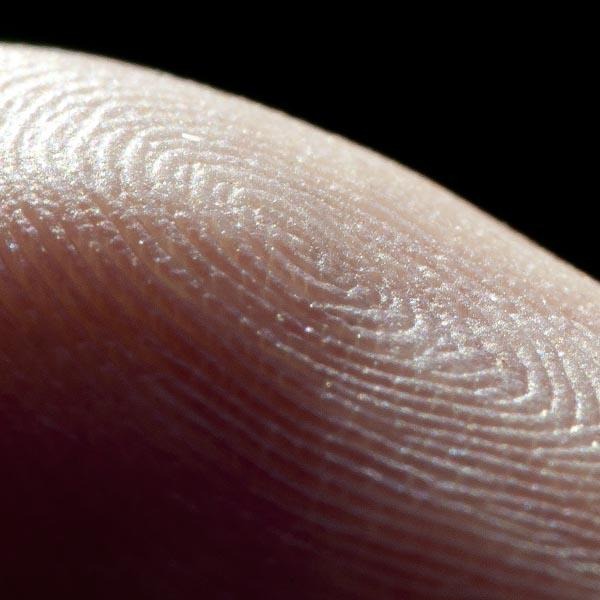
What DMIT programs generally aim to explore
- An introduction to different kinds of abilities
- How a child prefers to engage with information and learning
- Behavioural tendencies and personal characteristics
- Interests and strengths, together with real-world observation
- Educational options that fit the child’s actual needs
The science behind dermatoglyphics
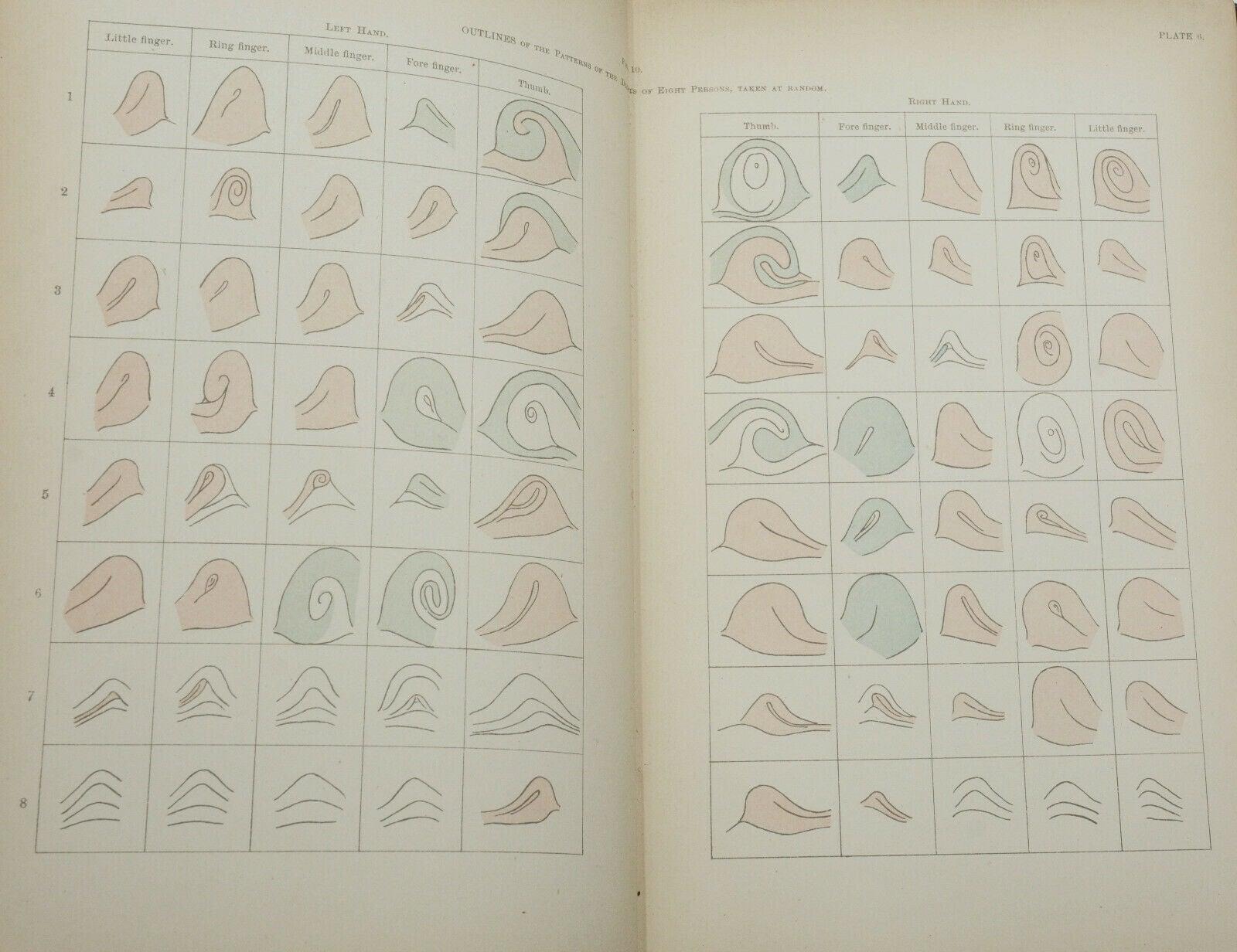
Where the word comes from. Derma means skin and glyph means carving. Dermatoglyphics is the study of the ridge patterns on our fingertips, palms, toes and soles.
When they form. These ridges form before birth, mostly in the first half of pregnancy, and stay stable for life. Genes and conditions inside the womb both play a part, and researchers are still working out exactly how.
Three basic patterns. Every fingerprint falls into one of three families:
| Pattern | What it looks like |
|---|---|
| Arch | Ridges enter one side, rise in the middle and leave the other side. Can be plain or tented (more pointed). |
| Loop | Ridges enter one side, curve around and leave from the same side. Opens toward the little-finger side (ulnar) or thumb side (radial). |
| Whorl | Circular or spiral ridges. Includes plain, double-loop, central-pocket and accidental whorls. |
Why every fingerprint is unique. Beyond the three families, tiny details such as ridge endings and splits make each person's print different. That is why fingerprints work so well for police identification and phone unlocking.
What science does use fingerprints for
- Forensic identification and biometrics (phones, access systems)
- Genetics and developmental research
- Anthropology
- Medical research, where certain patterns are studied alongside some genetic conditions. These patterns are never diagnostic on their own.
What science has not shown
That fingerprints can reveal a person's IQ, personality, learning style or ideal career.
A link between fingerprints and early development does not mean fingerprints can measure how a mind works.
Fingerprints and brain development
Fingerprints and the brain both develop before birth, during overlapping stages of pregnancy. Both are shaped by genes and by conditions in the womb. The skin and the nervous system even share an early embryonic origin.
That is genuinely interesting to researchers. In some genetic or developmental conditions, particular fingerprint features show up alongside other changes. But it does not mean a fingerprint is a readable map of the brain.
Established
- Fingerprints form before birth
- Fingerprints stay stable through life
- Genes influence fingerprint formation
- Skin and nervous system share an embryonic origin
- Fingerprints are used in forensics and genetic research
Not established
- Fingerprints reveal IQ
- Fingerprints show which brain hemisphere dominates
- Fingerprints describe a child’s whole personality
- Fingerprints predict career success
- Fingerprints identify learning abilities
What about “left-brain” and “right-brain” children? Modern neuroscience shows that most activities, including maths, creativity and communication, use both sides of the brain working together. No reliable evidence shows that fingerprints can tell which side is “dominant”.
History of dermatoglyphics
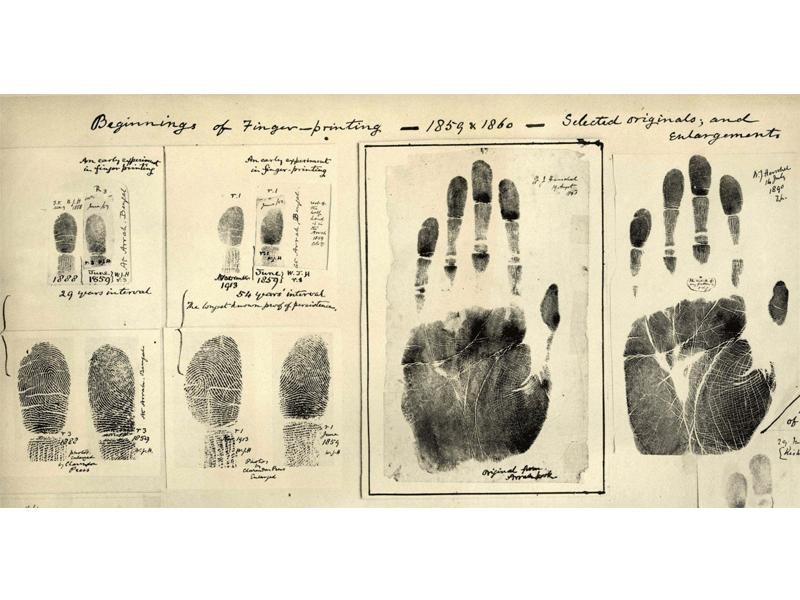
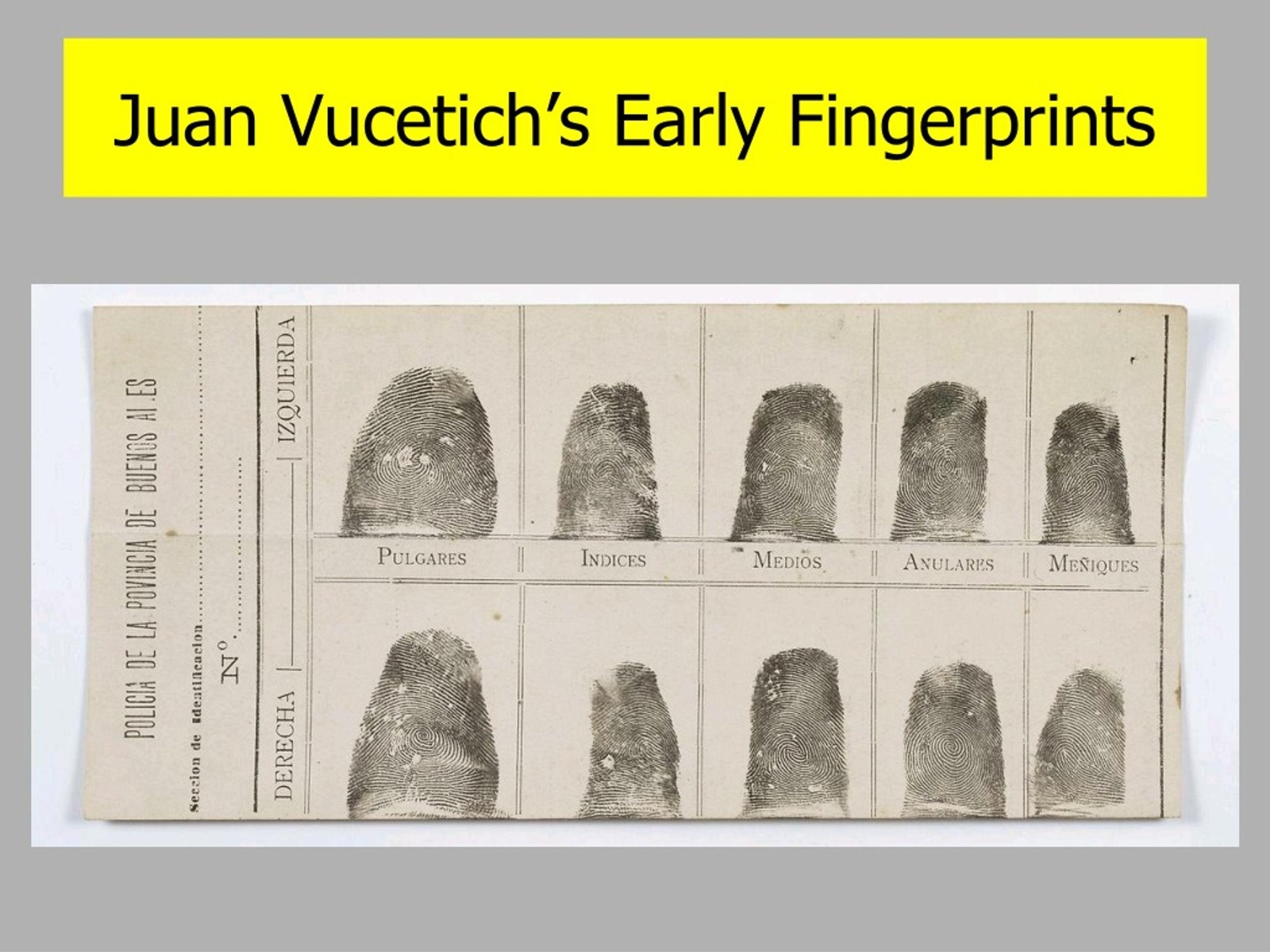
People have used fingerprints as personal marks for thousands of years. The science of studying them is far younger.
| Year | Who | What they contributed |
|---|---|---|
| Ancient times | Babylon and China | Fingerprints pressed on clay records and documents as marks of identity |
| 1684 | Nehemiah Grew (England) | An early scientific description of skin ridges |
| 1686 | Marcello Malpighi (Italy) | Microscope studies of the structure of skin ridges |
| 1823 | Jan Evangelista Purkyně (Czech) | First systematic classification of fingerprint patterns |
| 1858 | William Herschel (Bengal, India) | Began using fingerprints on documents to verify identity |
| 1880 | Henry Faulds (Scotland) | Proposed in Nature that fingerprints could identify criminals |
| 1892 | Francis Galton (England) | Published Finger Prints; described arches, loops and whorls |
| 1897–1901 | Edward Henry, with Azizul Haque and Hem Chandra Bose (British India) | Built the Henry Classification System, adopted by Scotland Yard in 1901 |
| 1926 | Harold Cummins and Charles Midlo (USA) | Established dermatoglyphics as a scientific field |
| 1943 | Cummins and Midlo | Published Finger Prints, Palms and Soles |
Where does DMIT fit in? DMIT is a much more recent commercial development. It combines fingerprint study with Howard Gardner's 1983 Multiple Intelligence theory. There is no single recognised inventor, no agreed start date and no validated method. A solid science of fingerprints does not automatically validate every claim a DMIT program makes.
Understanding multiple intelligence theory
In 1983, Harvard psychologist Howard Gardner proposed that intelligence is not one single thing measured by one score. People have different kinds of strengths. He described eight:
Linguistic
Words, reading, writing, speaking
Logical-mathematical
Numbers, patterns, reasoning
Spatial
Images, shapes, maps, design
Bodily-kinaesthetic
Movement, sport, hands-on skills
Musical
Rhythm, melody, sound
Interpersonal
Understanding and working with others
Intrapersonal
Understanding oneself
Naturalist
Nature, plants, animals, patterns in the environment
Why parents find it useful
It is a reminder that marks in school show only part of a child. A child who struggles with exams may be a gifted communicator, artist or builder.
Please keep this in mind
- Multiple Intelligence Theory is a framework for thinking about strengths. It is not a measurement tool, and psychologists continue to debate it.
- It has nothing to do with fingerprints. Gardner did not propose that fingerprints reveal intelligences.
- Strengths grow with practice, exposure and encouragement. They are not fixed at birth.
DMIT assessment process, step by step
A session is calm, simple and parent-led. Nothing painful, nothing invasive.
Initial consultation
You share why you are here and what you hope to understand about your child.
Background
A short conversation about your child’s school, interests, hobbies and how they learn best at home.
Fingerprint collection
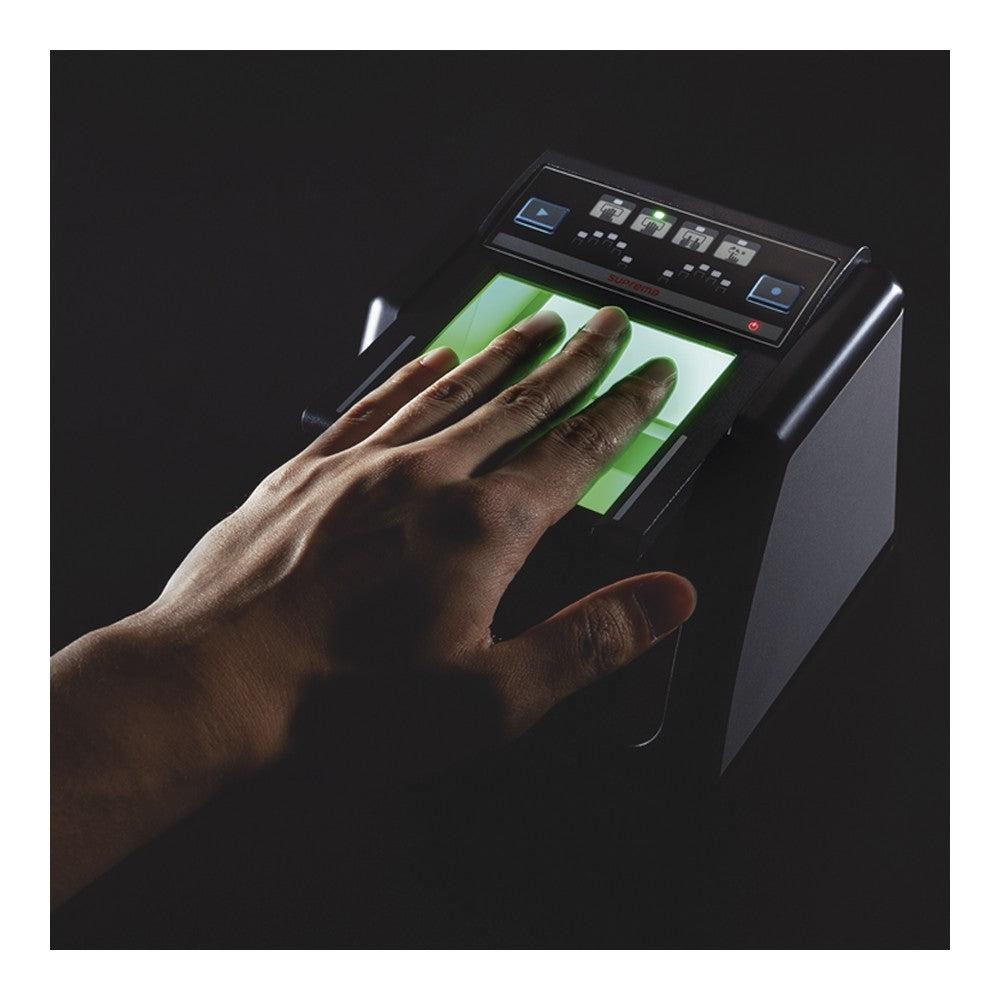
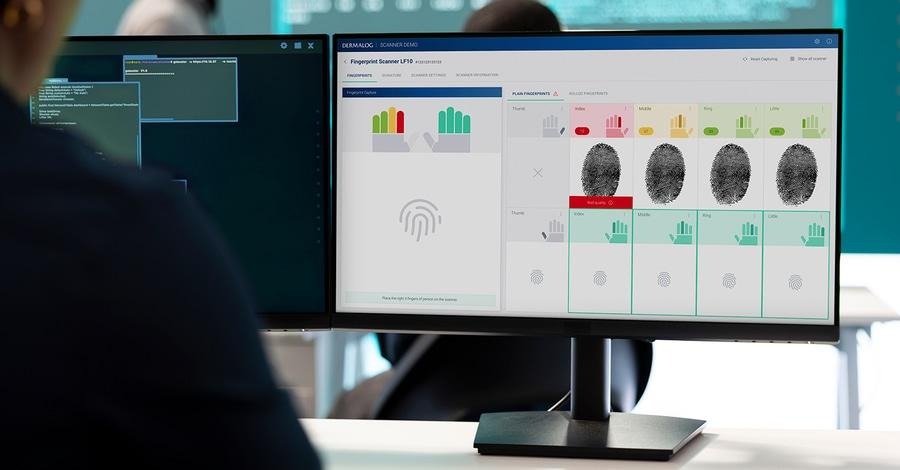
A digital scanner captures all ten fingers. It takes a few minutes, uses no needles and does not hurt. Your child only needs clean, dry fingers.
Digital processing
The scans are processed by the software, which classifies the patterns.
Report generation
The system produces a report from its own methodology.
Report explanation
Akshay walks you through each section in simple language: what is observed, what is software-generated and what is interpretation.
Personal counseling
The conversation moves beyond the report to your child’s real interests, strengths and challenges.
Guidance & follow-up
You leave with practical next steps. Follow-up support is available.
Before you book: 7 things every parent should know
- Ask what the assessment is based on and how it works.
- Ask how your child’s fingerprint data is collected, stored and protected.
- Understand the difference between fingerprint observations and psychological interpretations.
- Do not treat the report as a medical or psychological diagnosis.
- Do not make school or career decisions based only on a fingerprint report.
- If you have a specific concern, such as attention, anxiety or learning difficulty, see a qualified psychologist or doctor.
- Keep your child’s own interests and wishes at the centre.
Privacy note. Fingerprints are sensitive biometric information. Parents or guardians should be told clearly how data is collected, stored, accessed, kept and deleted before they consent.
Understanding the DMIT report
A report is only useful if you understand what is in it, and what to take with a pinch of salt. DMIT reports differ between providers, but most include some of the following:
| Section of a typical report | How to read it |
|---|---|
| Fingerprint pattern types (arch, loop, whorl) | Factual: a description of the prints themselves |
| Multiple Intelligence profile | A suggested picture of strengths. Compare it with what you see in your child. |
| Learning-preference descriptions | Ideas to try, not proof of how your child learns |
| Personality descriptions | Conversation starters only. Not a personality assessment. |
| Education or career suggestions | Possibilities to explore alongside interests, marks and real experience |
Four ways to use the report well
- Treat it as a document for discussion, not a final definition.
- Ask which parts are measured, which are software-generated and which are interpretation.
- Check every statement against what you actually see in your child.
- Drop anything that does not fit. Keep anything that opens a useful conversation.
Remember: a report is not a medical or psychological diagnosis and cannot tell you whether a child has ADHD, autism, a learning disability, anxiety or depression.
Role of parents in child development
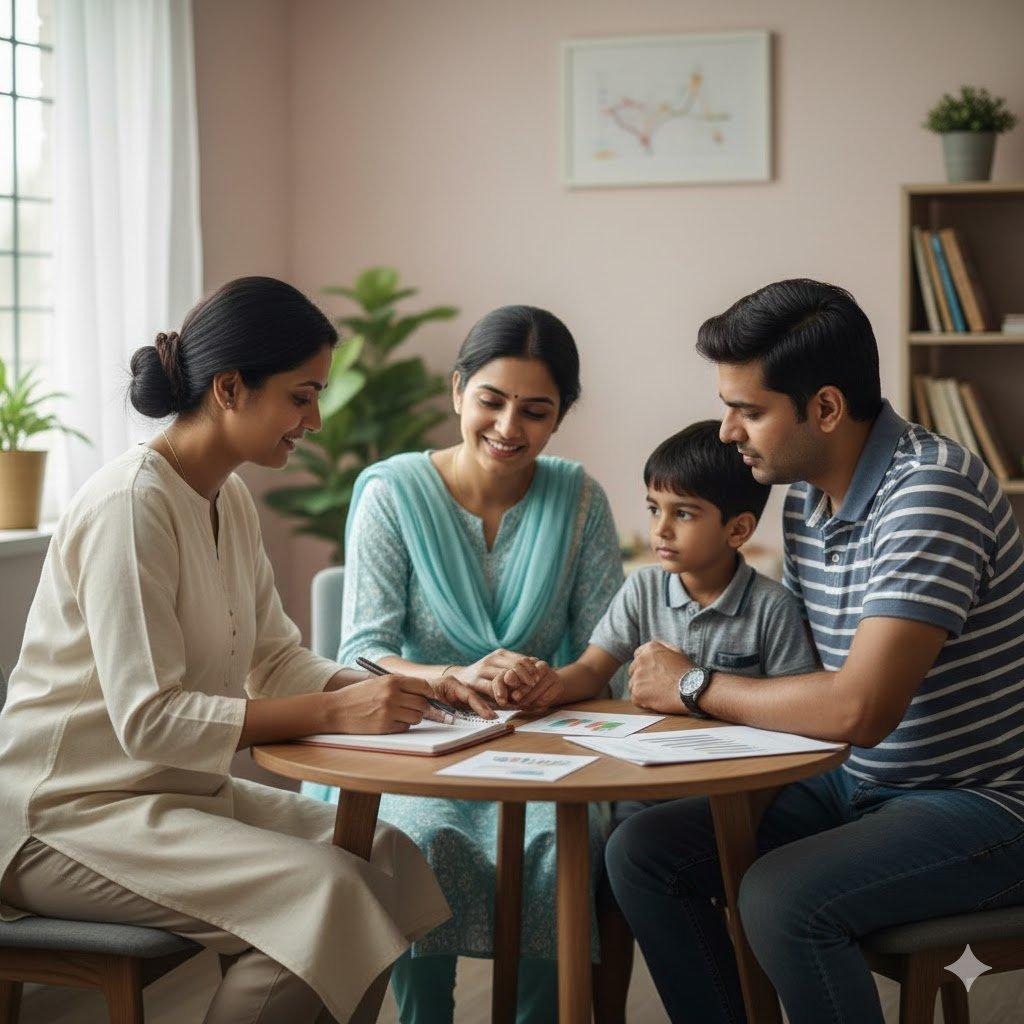
No report can replace what a parent learns by paying attention over time. The most reliable guide to a child is a parent who observes, listens and stays curious.
Akshay's sessions are built around this: he works with parents as much as with the child, because a child grows best when home, school and encouragement point the same way.
Observe
Notice what your child does when nobody asks them to.
Communicate
Ask open questions about their interests, worries and goals. Then listen.
Encourage
Offer chances to try music, sport, art, science, speaking, building.
Support
Understand struggles without comparing them with a sibling or classmate.
Review
Interests change. Revisit the conversation every few months.
Things that quietly hold children back
- Comparing them with others
- Fixed labels such as “weak in maths” or “only good at drawing”
- Choosing a stream or career from a single report or a single exam result
Benefits, limitations and the scientific perspective
What a good counseling session can offer
- A better understanding of your child’s interests and behaviour
- Better parent-child communication
- Greater awareness of interests worth encouraging
- More thoughtful educational support, without comparison
- A healthier starting point for career conversations
What DMIT cannot do
- Measure IQ. No scientific evidence shows fingerprints can determine intelligence.
- Define personality. Personality grows from biology, family, society and experience.
- Establish learning styles. Learning needs are understood through observation and proper educational assessment.
- Predict career success. No fingerprint can say what your child should become.
- Diagnose anything. It is not a medical or psychological assessment.
- Fix a child’s potential. Children grow and change. No report should become a permanent label.
DMIT claims versus responsible career guidance
| DMIT-based claims | Responsible career guidance |
|---|---|
| Uses fingerprint patterns | Uses many sources of information |
| May present intelligence profiles | Uses validated assessment tools where relevant |
| May suggest areas of interest | Explores interests and demonstrated abilities |
| May offer career interpretations | Considers marks, values and real opportunities |
| Should not decide a career alone | Supports informed decisions |
The scientific position. On 25 September 2019 the Indian Psychiatric Society stated that DMIT is not supported by scientific evidence for intelligence testing, brain-function testing or predicting future behaviour. For important academic or career decisions, parents should also consider validated assessments given by qualified professionals.
Our approach. Every child deserves an open future. A child should never be limited by a label, a comparison or a single report.
Frequently asked questions
Straight answers to what parents ask most.
Can DMIT tell me exactly what my child’s strengths are?
No. No fingerprint-based test has been scientifically validated for that. Strengths are best understood through observation, activities, school experience and suitable assessments. The DMIT conversation can help you start.
Can DMIT choose the right career for my child?
No. Careers should be chosen from interests, abilities, marks, values and real exploration. Akshay’s career guidance sessions are designed for this.
Can a child’s intelligence change over time?
Yes. Skills and abilities grow with learning, practice and encouragement. A child’s potential is never fixed.
Should I rely only on the DMIT report?
No. Never make major education, psychological or career decisions on this report alone.
Is DMIT the same as a psychological assessment? Does it replace counseling?
No to both. Psychological assessments use validated methods to evaluate specific characteristics. DMIT does not replace professional psychological, clinical or educational assessment.
How many fingerprints are taken?
Usually all ten fingers.
Is fingerprint scanning painful?
No. It is a digital scan with no needles and no surgery.
Does my child need to prepare?
No academic preparation is needed. Just make sure their fingers are clean and dry.
Can adults take DMIT?
Many providers offer it to adults. The same limits apply: treat the results as ideas for reflection, not facts.
What happens after I get the report?
Akshay explains it with you, discusses its limits and, where useful, suggests further educational or psychological assessment.
How is my child’s fingerprint data protected?
Fingerprints are sensitive biometric information, so you should be told clearly how data is collected, stored, accessed, kept and deleted before you consent. Please ask when you enquire.
How long is a session, what does it cost, and is it online or in person?
Session length, fees and format are confirmed when you enquire. Send an enquiry and the team will reply.
Understand your child. Support their journey.
Every child's journey is different. Take a thoughtful, informed approach to understanding your child's interests, learning experience and possibilities.
Why families choose Akshay Vyavahare
- 12+ years of experience in DMIT consultation, working with children, students and parents
- 6,200+ DMIT assessments conducted since 2014, across families from many backgrounds
- Report explained in plain language, with time for all your questions
- Parent-centred guidance on communication, learning environment and motivation
- Practical recommendations for confidence, interests and learning
- Follow-up support. The Premium Package adds a follow-up session and a 15-day personal roadmap.
Our commitment to parents
- We listen to every concern with care
- We explain the process clearly
- We share report information responsibly
- We respect every child’s individuality
- We encourage informed decisions, not fixed labels
- We keep personal information confidential